
It Takes a Thief
Perspectives from The Artist's Road

Impression, Sunrise 1872 Claude Monet
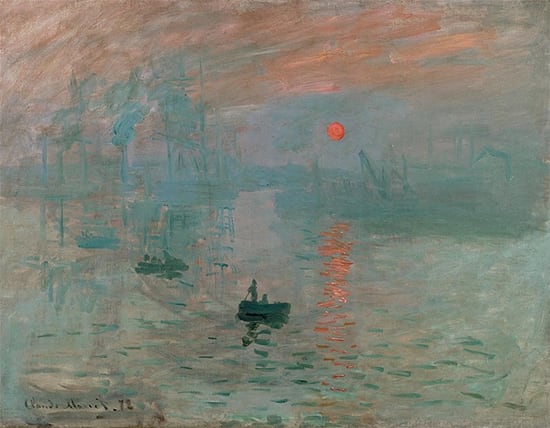
It is a romantic notion to think that the theft of a painting is the result of a deep longing to personally possess the beauty of an otherwise unattainable unique work of art—deranged though that may be. The reality, of course, is much more mundane. Putting aside the glamorous fictions perpetuated by movies and television (The Thomas Crowne Affair, for example), art thefts are typically carried out for the perceived payoff they will command. Although it is estimated that only about 1.5 percent of art theft cases are resolved with the art recovered and the thieves prosecuted*, it is also uncommon for criminals to actually profit from their art thefts. Despite popular cultural myth, art robberies are generally not carried out by criminal geniuses.
Take, for instance, the case of the robbery of the Musee Marmottan in Paris in 1985. The theft of nine valuable impressionist paintings including the iconic, Impression, Su…