
The White Stuff
Perspectives from The Artist's Road

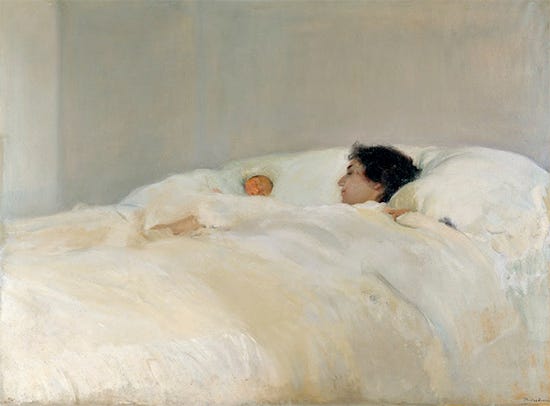
Millions of lives might have been saved.
I never thought much about white pigments when I painted solely in watercolor, unless I had to restore a tiny white highlight somewhere in a finished painting, or make a big change requested by an art director in a book cover illustration. In those cases, I turned to a titanium dioxide white gouache to do the job. Beyond that, I never thought about it as a necessary pigment for me to have or understand. That all changed when I began working in oil. Painting with pigments is known as a subtractive process and mixing two very light colors together results in a darker color mix. That is, unless white is one of the colors being mixed in it. White brings the lightness back up in the mix, and without it, painting in anything but transparent colors would result in a dark and moody picture. So white is incredibly important for painting.
Today, It is easy to forget that not so many years ago, there did not exist many reliable, permanent whites which paint makers could use other than the deadly lead white. The lead-white pigment itself is lovely—an opaque warm white which can also be thinned with a painting medium and tinted with colored pigments to produce transparent glazes—the kind which DaVinci used to create his masterpieces, including the glowing Mona Lisa. Unfortunately, artists often became slowly poisoned by it and developed what was called “painter’s madness”. Caravaggio, Michelangelo, Goya, Vincent van Gogh, Frida Kahlo and many more are suspected to have suffered from the various ailments produced by lead poisoning from paint. In the 1920s, more American artists died from lead poisoning than all other occupational groups combined! It is estimated that five million people worldwide still die every year from it. Astonishingly, the use of lead in the house paint industry in the U.S. wasn’t banned until 1978.
It did not have to be this way.
The discovery of titanium dioxide in 1791 by William Gregor in Cornwall, England, followed by the manufacture of it into white paint in 1916 cleared the way to finally be rid of lead white forever. Titanium dioxide is non-harmful to life and performs brilliantly as a whitener for all sorts of useful products, including artist pigments.
The earliest documented uses of pure titanium dioxide as a colorant was by the Peruvian Incas in 1537-39. The Incas used it to color ceramic cups, or queros, with colorful designs. They could do this because the deposit it came from contained pure white titanium dioxide mixed with silica—a very rare deposit, which needs no refining to produce the color. This discovery might have become known and spread all over the world. However, the Spanish conquistadores who invaded Peru, brought European artists with them who introduced the Inca to the deadly lead white. The Incas quickly learned how to make lead white from their own lead deposits and by 1570, no more queros were decorated with titanium dioxide white. This was 400 years before titanium dioxide was refined for use in Europe.